
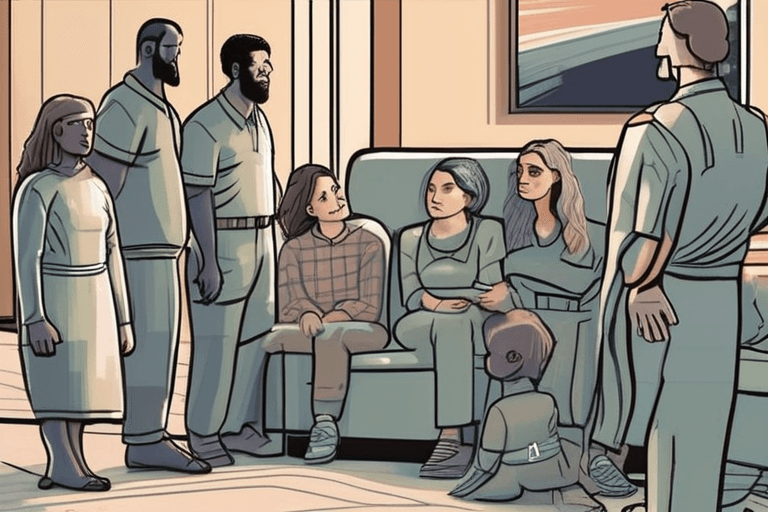
The Hostages and Missing Families Forum, a grassroots group formed by families of Israeli hostages held in Gaza, has emerged as a powerful international force in the past two years. The group, which was established in the aftermath of the 7 October 2023 attacks, has been instrumental in advocating for the release of the hostages and has gained significant global attention.
The group's efforts have been led by families of the hostages, including the Gvili family, whose son Ran, a young police officer, was killed by Hamas fighters after he rushed to help people being attacked in Kibbutz Alumim in southern Israel. Itzik Gvili, Ran's father, has been a vocal advocate for the release of his son's body and has become a symbol of the group's determination. "We will not rest until Ran is brought home," Gvili said in an interview. "We will not rest until all the hostages are released."
The group's campaign has been marked by weekly rallies and protests in central Tel Aviv's Hostages Square, where families and supporters gather to mark the start of the Jewish Sabbath and to demand the release of the hostages. The square has become a focal point for the group's efforts, with signs and posters plastered on the walls and a makeshift stage set up for rallies and speeches. However, in recent weeks, the square has been quiet, with the main stage dismantled and the Hostages and Missing Families Forum having vacated its offices.
The group's efforts have gained significant international attention, with diplomats and officials from around the world visiting the square to show their support. The group has also been in contact with international organizations, including the United Nations, to advocate for the release of the hostages. "The international community has been very supportive of our efforts," said a spokesperson for the group. "We have received messages of support from governments and organizations around the world."
The group's campaign has been marked by a sense of determination and resilience, with families and supporters refusing to give up hope of seeing their loved ones released. The group's efforts have also been marked by a sense of cultural and historical context, with many of the families drawing on their Jewish heritage and traditions to fuel their advocacy. "We are not just fighting for our loved ones, we are fighting for our community and our people," said Gvili.
The current status of the hostages is that 168 have been brought back alive from Gaza, eight have been rescued, and only one, Ran Gvili, remains deceased. The group's efforts are ongoing, with families and supporters continuing to advocate for the release of the remaining hostages. As the group looks to the future, it remains to be seen how its efforts will continue to shape the international response to the crisis in Gaza.
Multi-Source Journalism
This article synthesizes reporting from multiple credible news sources to provide comprehensive, balanced coverage.
Share & Engage
AI Analysis
Get instant insights & analysis
More Stories
Discover more articles
No recommended articles
Check back later for more stories
Discussion
Join 0 others in the conversation
Share Your Thoughts
Your voice matters in this discussion
Login to join the conversation
No comments yet
Be the first to share your thoughts!