iRobot Files for Chapter 11 Bankruptcy Amid Regulatory Opposition
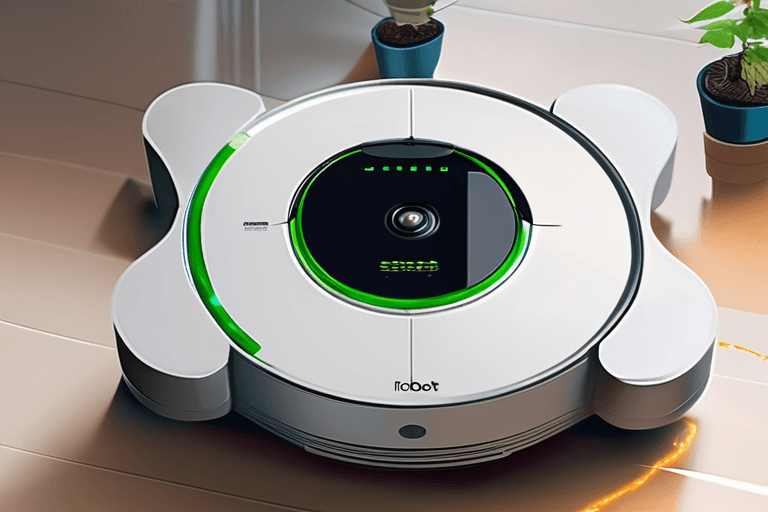
In a shocking turn of events, iRobot, the pioneering robotics company behind the popular Roomba vacuum cleaners, filed for Chapter 11 bankruptcy last Sunday. This marks the end of an era for a company that had survived numerous challenges and sold over 50 million robots since its inception in 2002. The collapse is attributed to the regulatory opposition that led Amazon to scuttle its $1.7 billion acquisition of iRobot in January 2024, after an 18-month investigation by the FTC and European regulators.
The financial details of iRobot's bankruptcy are stark. With over $1.1 billion in debt, the company was struggling to stay afloat despite its impressive sales figures. The Roomba brand, which accounted for the majority of iRobot's revenue, had become synonymous with smart home cleaning solutions. However, the regulatory hurdles posed by the FTC and European Commission ultimately proved insurmountable.
The market impact of iRobot's bankruptcy is significant. The company's collapse sends a chilling message to entrepreneurs and investors, highlighting the risks and uncertainties associated with regulatory opposition. The FTC's decision to block the Amazon acquisition has far-reaching implications for the tech industry, as it underscores the agency's commitment to protecting consumer choice and preventing monopolies.
iRobot's story is one of innovation and perseverance. Founded in 1990 by Colin Angle and Helen Greiner, the company had overcome numerous technical challenges and near-death experiences to become a household name. The Roomba, launched in 2002, revolutionized the cleaning industry with its autonomous navigation and Wi-Fi connectivity. Over the years, iRobot expanded its product lineup to include the Braava mopping robot and the Terra robot lawn mower.
Despite its success, iRobot faced increasing competition from other robotics companies and Amazon's own Echo robot. The company's struggles to adapt to the changing market landscape and the regulatory opposition from the FTC and European Commission ultimately led to its downfall.
As iRobot navigates the Chapter 11 bankruptcy process, its founder Colin Angle remains optimistic about the future of consumer robotics. In a recent interview, Angle reflected on the lessons learned from the company's collapse and expressed his determination to move forward with a new venture in consumer robotics. With the rise of smart home technologies and the increasing demand for autonomous solutions, the future of consumer robotics looks promising. However, the regulatory landscape will remain a critical factor in shaping the industry's trajectory.
In the aftermath of iRobot's bankruptcy, the tech industry will be watching closely to see how regulators balance the need to protect consumer choice with the need to encourage innovation and competition. As the landscape continues to evolve, one thing is clear: the future of consumer robotics will be shaped by a complex interplay of technological advancements, market forces, and regulatory decisions.
Multi-Source Journalism
This article synthesizes reporting from multiple credible news sources to provide comprehensive, balanced coverage.
Share & Engage
AI Analysis
Get instant insights & analysis
More Stories
Discover more articles
No recommended articles
Check back later for more stories
Discussion
Join 0 others in the conversation
Share Your Thoughts
Your voice matters in this discussion
Login to join the conversation
No comments yet
Be the first to share your thoughts!