
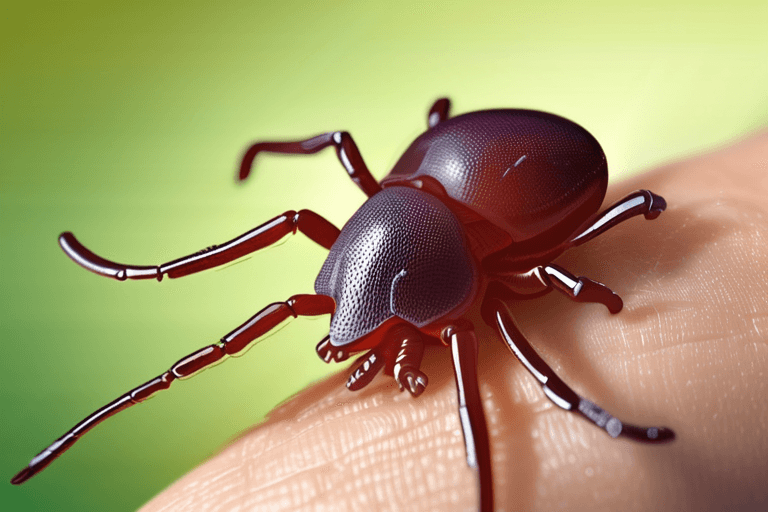
Researchers at the University of Virginia School of Medicine have confirmed the first known death caused by a rare tick-borne allergy to red meat, commonly referred to as the meat allergy. The condition, which is transmitted by ticks, resulted in the sudden death of a 47-year-old man from New Jersey who had eaten beef approximately four hours prior. For months, the cause of his death remained unclear, but subsequent testing revealed a severe allergic reaction tied to alpha-gal, a sugar spread by Lone Star tick bites.
According to Dr. David A. Norris, an allergist at the University of Virginia Health System, the symptoms of this condition often appear hours after exposure to red meat, making it easy to miss. "This case highlights the importance of considering tick-borne illnesses in the differential diagnosis of sudden, unexplained deaths," Dr. Norris said. "The delayed onset of symptoms can make it challenging to identify the underlying cause, but it's crucial to be aware of this possibility, especially in regions with high tick populations."
The Lone Star tick, native to the southeastern United States, is known to transmit alpha-gal, a carbohydrate found in red meat. While the condition is not new, this is the first confirmed case of a fatal outcome. Researchers warn that growing tick populations could put more people at risk, particularly in areas where the ticks are prevalent.
Experts emphasize that the meat allergy is not a typical food allergy, as it does not involve an immune response to a specific protein. Instead, it's an immune reaction to the alpha-gal sugar, which is present in red meat. "This condition is often referred to as a 'delayed anaphylaxis' because the symptoms can appear hours after exposure to the allergen," said Dr. Scott Commins, an allergist at the University of Virginia Health System. "It's essential for healthcare providers to be aware of this condition and consider it in the diagnosis of patients who experience sudden, unexplained symptoms after consuming red meat."
The University of Virginia Health System is working closely with researchers and healthcare providers to raise awareness about this condition and its potential consequences. As tick populations continue to grow, it's essential for individuals to take preventive measures, such as wearing protective clothing and applying insect repellent when outdoors, particularly in areas with high tick activity.
Researchers are also exploring ways to diagnose and treat the condition more effectively. "While this is a rare condition, it's essential to be aware of the risks and take steps to prevent tick bites," said Dr. Norris. "We're working to develop more effective diagnostic tools and treatments to help patients manage this condition and reduce the risk of severe reactions."
Multi-Source Journalism
This article synthesizes reporting from multiple credible news sources to provide comprehensive, balanced coverage.
Share & Engage
AI Analysis
Get instant insights & analysis
More Stories
Discover more articles
No recommended articles
Check back later for more stories
Discussion
Join 0 others in the conversation
Share Your Thoughts
Your voice matters in this discussion
Login to join the conversation
No comments yet
Be the first to share your thoughts!